
EN ▾
USD ▾
A full week across Tanzania's northern circuit: Tarangire's elephant herds and baobabs, Lake Manyara's tree climbing lions and birdlife, Ngorongoro…
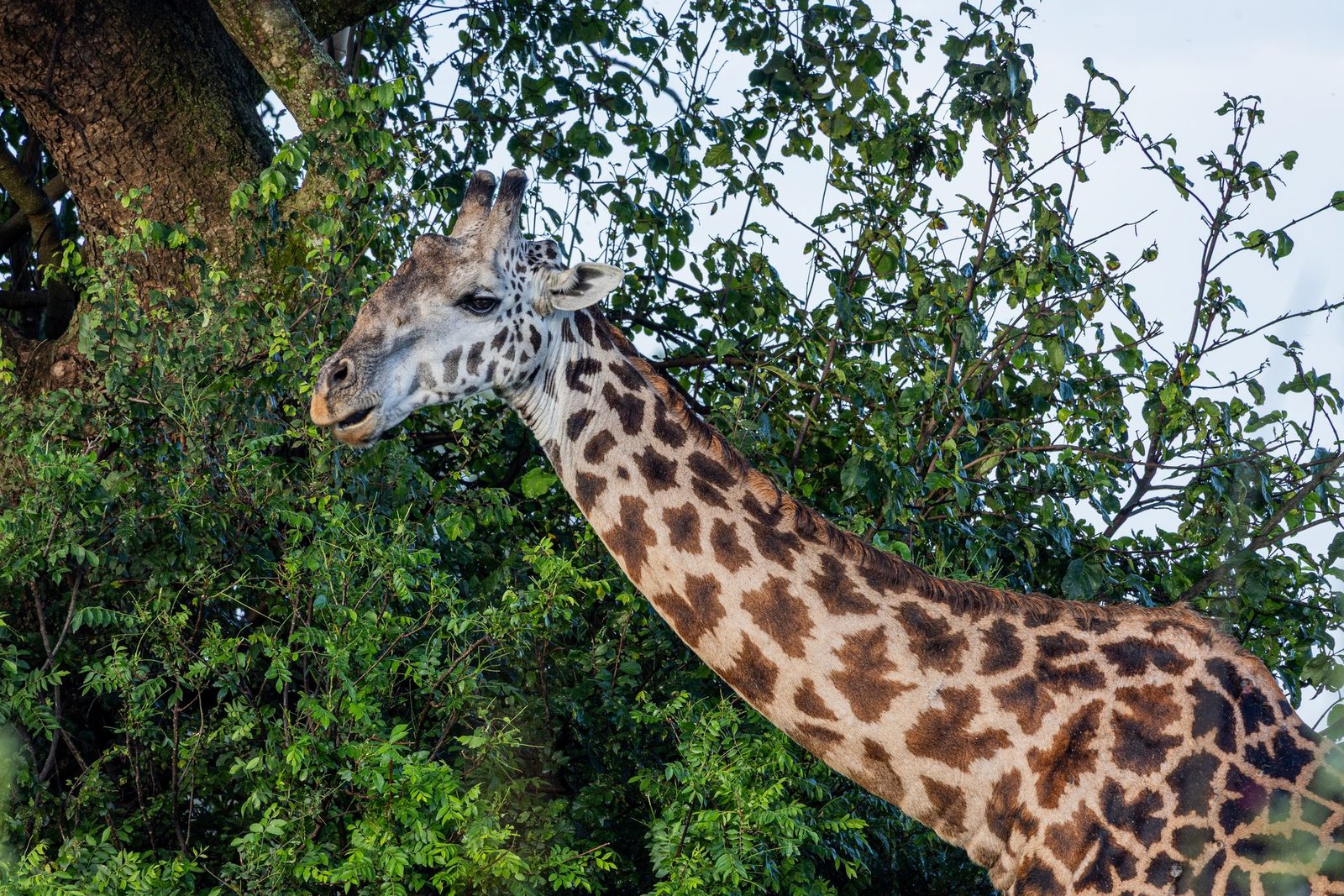
A full week across Tanzania's northern circuit: Tarangire's elephant herds and baobabs, Lake Manyara's tree climbing lions and birdlife, Ngorongoro Crater's density, and the Serengeti's open plains. Enough time to properly explore each location rather than passing through.
Like every itinerary Imara Serengeti Safaris runs, this one is a starting point rather than a fixed package. Tell us your dates and what matters most to you, and we'll adjust the route, pace, and accommodation level to fit.
| Accommodation | Confirmed together with you. See Rates below for the general comfort level this trip is priced around. |
|---|---|
| Meals | Full board on safari days; meals as specified for any city/beach nights, per your final itinerary. |
This trip's real destinations, in order:
Land anytime at Kilimanjaro International Airport (JRO); our team arranges your private transfer to Arusha.
Before you clear the airport, you'll need to pick up your tourist visa (US $100 per person for American and Canadian passport holders, paid in exact cash) along with proof of yellow fever vaccination. Your passport should be valid at least six months past your return date, with blank pages free. Once through customs and immigration, our representative meets you for the transfer into Arusha.
Our route today leads to Tarangire National Park. Thanks to its permanent water source, the park truly shines during the dry season, when birdlife gathers in numbers along the Tarangire River and herds of giraffe, zebra, buffalo, and especially elephant become easy to find. Lions and leopards, too, make regular appearances. We'll overnight at a lodge situated inside the park itself, complete with a spacious viewpoint where you can sip sundowners while watching the game move across the plains stretched out below.
Leaving the lodge behind, we make our way to Lake Manyara National Park. Though modest in size, it ranks among the country's most ecologically varied reserves, with the lake itself covering two thirds of the park's area. The Great Rift Valley's escarpment rises dramatically behind it, framing a mix of groundwater forest, open grassland along the lake's edge, and the alkaline Soda Lake. Picnic lunch is enjoyed amid this varied terrain of grassy clearings, hot springs, dense woodland, and steep slopes. With more than 350 recorded bird species, Lake Manyara is a genuine birder's paradise, and it's equally known for its rare tree climbing lions. We head back to our lodge in the afternoon.
Today's journey takes us toward Serengeti National Park, with a stop along the way at Olduvai Gorge. This steep walled ravine is where Louis and Mary Leakey unearthed some of the twentieth century's most significant archaeological finds during the 1950s, and a small on site museum displays evidence of human ancestors dating back some 2.5 million years. Following lunch, we continue into the Serengeti itself, spending the afternoon game viewing across plains interrupted only by scattered acacia trees and the odd rocky kopje. Between December and February, this is typically where we cross paths with the migration, encountering vast herds of wildebeest, zebra, and gazelle. Resident wildlife is abundant year round too, including giraffe, buffalo, and elephant, along with major predators such as lion, cheetah, and leopard. We return to our tented camp for the night.
Today's journey takes us toward Serengeti National Park, with a stop along the way at Olduvai Gorge. This steep walled ravine is where Louis and Mary Leakey unearthed some of the twentieth century's most significant archaeological finds during the 1950s, and a small on site museum displays evidence of human ancestors dating back some 2.5 million years. Following lunch, we continue into the Serengeti itself, spending the afternoon game viewing across plains interrupted only by scattered acacia trees and the odd rocky kopje. Between December and February, this is typically where we cross paths with the migration, encountering vast herds of wildebeest, zebra, and gazelle. Resident wildlife is abundant year round too, including giraffe, buffalo, and elephant, along with major predators such as lion, cheetah, and leopard. We return to our tented camp for the night.
The day begins with an early game drive before we make our way to the Ngorongoro Conservation Area. Unlike a national park, Ngorongoro is managed jointly for wildlife and for the Maasai communities who still graze cattle here alongside the indigenous animals, and the drive in offers glimpses of their traditional way of life. After pausing at the entrance gate to learn more about this striking volcanic landscape, we follow the crater rim, where herds of wildebeest or buffalo can often be spotted far below, before descending onto the crater floor itself. Enclosed by its steep walls, the crater functions as a natural sanctuary teeming with wildlife: lions, elephants, buffalo, and rhinos, with leopards a lucky bonus. The one animal absent from this list is the giraffe, whose long legs cannot manage the crater's steep sides. We head back to our lodge in Arusha in the late afternoon.
Your transfer to the airport will be arranged according to your flight time and departure point, ready to connect with your homeward journey.
Ready to plan this trip? Tell us your dates and group size. We'll adjust the pace, accommodation, and route to fit.
Expert planning. Zero spam.